

Water Leak Detection Systems
Water damage causes significant losses every year. Is your facility at risk?
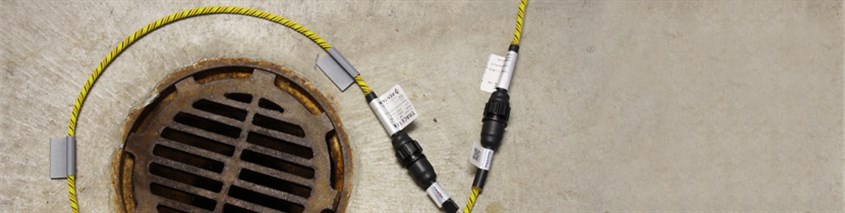
Prevent Water Damage to Data Centers, Libraries, Artifacts, and Collections
Water damage often occurs when leaks remain undetected for extended periods. It is not uncommon for leaks to go unnoticed over the weekend or overnight when workers are away, and by then, the damage can be extensive.
Libraries, museums, basement storage vaults, archived records, and computer or server rooms are extremely vulnerable. Water damage to carpets, floors, walls, and ceilings makes restoration expensive. Water can also cause sometimes irreplaceable damage to the books, archives, computers, or servers themselves. Work can come to a halt, and many labor hours are lost.
Server Room and Data Center Leak Detection
As businesses become more dependent on digital infrastructure, server rooms and data centers have become increasingly critical to their operations. Thousands of optical and electrical connections are concentrated in densely packed spaces, and racked equipment generates a large amount of heat that must be extracted.
Many data centers rely on HVAC and cooling systems that circulate chilled water throughout the facility. Leaks can develop around chilled-water lines, valves, fittings, and condensate pans. Because water and electronics do not mix, early chilled-water leak detection is essential.
Raised-floor facilities are even more vulnerable. If a leak occurs beneath raised floors, the first alarm may come after a critical system shuts down or water begins to rise through the structural floor to lower levels in the building. Early water detection can help facility personnel respond before a small leak causes extensive damage or downtime.
How to Detect Water Leaks Before They Cause Costly Damage
At APPLIED Thermal Products Group, we offer a series of trusted and reliable early-warning water leak detection solutions to identify leaks before they cause significant damage or downtime. These water leak detection systems use cables, point sensors, and controllers to provide continuous monitoring and alerts that allow facility personnel to respond quickly when water is detected.
Depending on the controller and system configuration, water leak detection systems can integrate with building management systems (BMS) and DCS platforms for centralized monitoring and faster response. This integration can help facilities minimize repair costs and reduce disruptions to critical operations. See our recommendations below.
Products
TraceTek TT1000
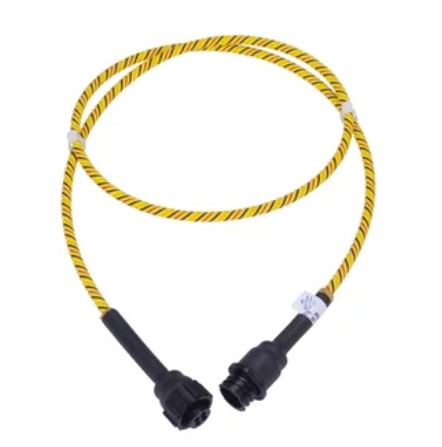
This water leak detection cable is popular for commercial building applications. It is primarily intended for leak detection under raised floors, in mechanical rooms, and on similar flat surface areas where water can form a puddle.
TraceTek TT1100-OHP
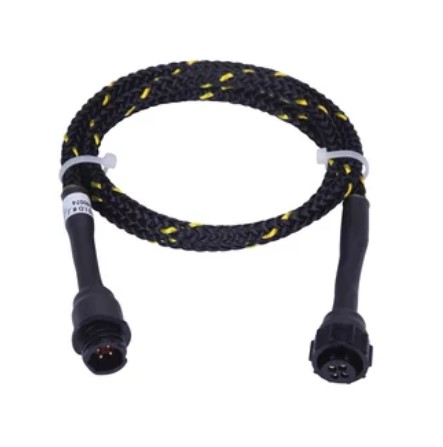
This water-detecting cable is intended for use on the underside of a suspended or rack-mounted pipe. The outer layer of the sensor cable is designed to act like a wick so that even small leaks are drawn along the cable to ensure accurate leak detection and location. TT1100-OHP is also useful in dirty areas where contamination can cause problems.
TraceTek TT-FLAT-PROBE
Raychem TraceTek TT-FLAT-PROBE is used to detect water leaks in low spots, drip trays or sumps. It is designed to be integrated as a part of a larger leak detection system, monitored by any Raychem TraceTek controller such as a TTDM-128 or TT-SIM module.
Frequently Asked Questions
How does a water leak detection system work?
A water leak detection system uses sensing cables, point sensors, or probes to detect the presence of unwanted water. When the sensors detect moisture, the system sends an alarm to a local controller and can also communicate with building management systems (BMS), PLCs, or SCADA systems so facility personnel can respond quickly.
What facilities need water leak detection systems?
Water leak detection systems are commonly installed anywhere water leaks could damage equipment, inventory, or infrastructure. We have provided water leak detection systems for data centers, computer rooms, museums, libraries, archive buildings, healthcare facilities, laboratories, commercial buildings, boiler rooms, manufacturing plants, aquariums, and areas containing HVAC or mechanical equipment. Contact our team to discuss your scope of work and see if we can support you.
Can water leak detection devices integrate with a building management system?
Yes. Many commercial water leak detection systems integrate with building management systems (BMS), programmable logic controllers (PLCs), and SCADA platforms. Depending on the controller and system configuration, integration can allow facility managers to receive alerts, monitor multiple sensing circuits, and initiate programmed responses through connected building controls.
Can water leak detection systems pinpoint the exact location of a leak?
Some linear water leak detection sensing cables can identify the approximate location of a leak, so maintenance personnel can locate and repair the issue faster than they could with traditional inspection methods. The level of location accuracy depends on the sensing technology and controller in use.
What areas do you service?
We can provide water leak detection in Iowa, Nebraska, Minnesota, Montana, North Dakota, South Dakota, Kansas, and parts of Missouri and Wisconsin. If you have questions about whether we can support your project, reach out to our team or review our service map.
How do I choose the right water leak detection system?
The best water leak detection solution depends on multiple factors, including the facility layout, the assets being protected, the monitoring requirements, and existing building systems. Not only do we offer reliable water leak detection equipment, but also our team can help you evaluate your project and recommend the appropriate sensing cable, controllers, and system for your facility.
Detect More Than Water Leaks
Water leak detection sensors cannot prevent a leak or flood, but they can provide an early warning to help prevent catastrophic damage. We also offer other liquid leak detection systems, including:
Reach out to our team to discuss your project requirements, and we will help you find the best leak detection solution for your specific needs.