

Roof and Gutter De-Icing
Heat Trace Systems for Roofs and Gutters
Recommended System | FAQs | Added Support
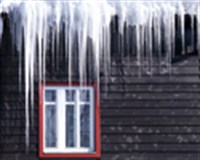
When melted snow and ice flow toward a roof’s edge, they can refreeze and create a barrier known as an ice dam. Ice dams can accumulate a collection of pooled-up water behind them that can climb into the ice-filled gutters to form dangerous icicles or cause water ingress into buildings. To prevent ice dam formation, roof heat trace systems are designed to provide a continuous drain path for melted ice and snow from the roof through the gutters and downspouts.
Roof heating cables are commonly installed on roof edges and eaves, gutters, downspouts, roof valleys, drainage paths above entrances or walkways, and other areas where drainage issues or ice accumulation occur most frequently. You often find these systems on office buildings, warehouses, storage facilities, schools, hospitals, and residential buildings in regions with frequent snow accumulation and freeze-thaw cycles.
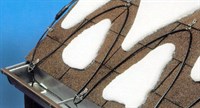
What We Recommend
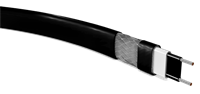
Chemelex roof and gutter de-icing systems are a versatile, reliable, energy-saving, and cost-effective solution to help prevent the formation of ice dams and icicles on building exteriors. In particular, the IceStop roof and gutter de-icing cable provides a continuous drain path for snow melt. It is self-regulating and can be cut to the specific length required. This roof and gutter de-icing system can help prevent interior and exterior structural damage, as well as safety hazards from icicles or dripping water on walkways.
This heat trace cable system is ideal for installation on:
- Roofs made from shake, shingle, rubber, tar, wood, metal, and plastic
- Gutters made from metal, wood, and plastic
- Downspouts made from metal and plastic
Frequently Asked Questions
What is a roof and gutter de-icing system?
A roof and gutter de-icing system uses electric heat tracing cables installed along roof edges, in gutters, and inside downspouts to prevent ice buildup. The system melts snow and ice in critical drainage areas, so meltwater can safely flow off the roof instead of refreezing and forming ice dams.
What type of heating cable is used for roof and gutter de-icing?
Most systems use self-regulating heating cables and sensors to automatically adjust heat output based on surrounding temperature and moisture conditions. This technology allows the system to run only when needed to improve energy efficiency and prevent overheating.
Can roof heat trace systems be installed on existing buildings?
Yes. Roof and gutter de-icing systems are commonly installed as retrofit solutions on existing buildings that experience recurring ice dam or gutter freezing problems. They can typically be installed without major roof modifications.
What factors should be considered when designing a roof de-icing system?
Proper system design depends on several factors, including roof size, roof layout, typical snowfall levels and accumulation, gutter and downspout configuration, and electrical capacity. Because every building is different, system layouts are often customized. At APPLIED TPG, we can help with your roof heat trace system design to ensure effective drainage and consistent heating coverage. Contact us to learn more.
Can roof and gutter heat trace systems be installed on different roofing materials?
Yes. Roof de-icing systems can typically be installed on a variety of commercial roofing materials, including:
- Metal roofing systems
- Asphalt shingles
- Single-ply membranes (TPO, EPDM, PVC)
- Built-up roofing systems
- Modified bitumen roofs
Installation methods and cable attachment hardware may vary depending on the roofing material and manufacturer requirements. At APPLIED TPG, we can provide training to the contractor before installation begins, including touching on subjects such as cable terminations, layout, and more.
How is roof heat trace cable spacing determined?
Cable spacing along roof edges is typically determined based on roof construction, climate conditions, and the heating cable watt density. In many installations, heating cable is routed in a zig-zag pattern along the roof edge to create melt channels that direct water into the gutter system. Spacing and loop depth may vary depending on snow load, roof pitch, and regional freeze-thaw cycles.
What watt density is typically used for roof and gutter de-icing systems?
Most roof de-icing systems use heating cables with an output range of approximately 5 to 12 watts per foot, depending on cable type and design conditions. Self-regulating heating cables adjust output based on surrounding temperatures, allowing the system to provide more heat during colder conditions while reducing output as temperatures rise.
Do roof heat trace systems require dedicated circuits?
In many commercial installations, roof heat trace systems are installed on dedicated electrical circuits to ensure proper power distribution and system protection. Circuit sizing depends on the total cable length, watt density, supply voltage, and controller configuration.
Can roof de-icing systems be installed in phases on large commercial buildings?
Yes. On large facilities, roof de-icing systems can often be installed in phases based on priority areas, such as entrances, loading docks, roof valleys, or sections with known drainage issues. This allows facility owners to address the most critical safety areas first while planning future system expansion.
Need More Support?
Along with helping with product selection, we also offer a series of services to help your team from project conception to post-installation service.
Contact our team for help with your next roof or gutter heat trace project
 |
 |